How to Keep a Japan Pre-Wedding Shoot from Falling Apart: A Practical Backup Plan

A Japan pre-wedding shoot is easier to enjoy when you decide what may change, what matters most, and who makes the call before the day begins. The aim is not to predict every disruption. It is to keep the photographs and experience you care about most within reach when weather, transport, crowds, or a location rule changes.
This is a decision guide for the moving parts between booking and the shoot itself. Use a separate booking-question guide to compare contracts, payment, and deliverables, and a preparation checklist for clothing, shoes, beauty care, and morning packing. Here, the focus is how the day holds together when the original plan becomes impractical.
First, decide what matters most to both of you
Ask each other to complete this sentence: “Even if the plan changes, we will be happy if we can still photograph ___.”
The answer might be portraits with a recognizably Japanese streetscape, a calm hour together in wedding clothes, a visible mountain, movement in the city, or a set of photographs suitable for invitations. Choose one thing that matters most and one that would also be nice to have. If everything is equally essential, there is no room to adapt.
Then decide what you want to keep and what you would be comfortable changing:
| Variable | Keep it when… | Trade it when… |
|---|---|---|
| Exact location | The place itself carries personal meaning and its use is confirmed. | The visual feeling matters more than the landmark name. |
| Date | Travel and ceremony plans make the date fixed. | A different date is realistically available and the terms allow a change. |
| Time of day | Light or access depends on a specific window. | Crowds, heat, rain, or transport make another time more workable. |
| Outfit | The garment is central to the story. | Mobility, temperature, or wet ground would make the session uncomfortable or unsafe. |
| Photo style | A specific editorial look is the priority. | The surroundings call for candid movement or tighter compositions. |
This order gives you a clear basis for every fallback decision. It is much more useful than simply saying, “We will decide if it rains.”
Where plans usually become fragile
One famous spot carries the whole day
A plan becomes brittle when one landmark is expected to provide the background, atmosphere, schedule, and emotional highlight. A closure, crowd, visibility change, or permission issue then affects everything at once.
Build around a visual brief rather than one place name. For example: “quiet garden, green texture, walking space, and minimal modern buildings” is a brief that can have more than one candidate. Each candidate still needs its own access and photography-rule check; similarity does not transfer permission from one location to another.
Travel time is treated as shooting time
Moving through a Japanese city can involve station walks, transfers, finding vehicle pickup points, changing shoes, and navigating busy entrances. A 20-minute route on a map is not automatically a 20-minute gap in wedding attire.
Separate the schedule into four blocks: preparation, travel, photography, and recovery. Recovery includes restroom time, water, touching up hair, and resetting after a crowded transfer. If a delay happens, remove a low-priority scene before shortening every scene. Ten calm minutes in one setting often produce more usable variety than three rushed stops.
The weather decision has no deadline
Japan Meteorological Agency's weekly forecast covers seven days and gives A, B, or C confidence for precipitation forecasts from day three onward. JMA also explains that detailed daily weather beyond one week is not reliable enough. That makes a staged decision more useful than repeatedly reacting to a long-range app forecast.
Agree on three moments:
- About a week out: review the official forecast trend and identify which part of the plan is most exposed.
- Two or three days out: compare the main and backup routes using the latest timing, confidence, and local conditions.
- Final decision point: use the change terms agreed with your providers and the practical time needed for travel, clothing, and location access.
These are planning questions, not a promise that a session can be moved free of charge. Ask in advance what changes are possible, who approves them, what costs may change, and when the decision becomes final.
A fallback exists only as a name
“We can go somewhere indoors” is not yet a plan. An actual fallback has a confirmed manager or entry rule, suitable operating hours, realistic travel, enough space for the team, and a visual reason to choose it.
For each main location, write one nearby alternative and one change of shooting approach. The approach change may be the stronger option: covered walkways with tighter portraits, umbrellas and reflections, a shorter route with more indoor pauses, or a later start after a weather band passes. Confirm whether photography is allowed at every alternative; public entry and professional photography are different questions.
Use a decision table before the shoot
The thresholds should match your comfort, clothing, and confirmed arrangements. The examples below are prompts, not universal rules.
| If this happens… | Check first | Possible decision |
|---|---|---|
| Light rain with safe travel | Ground condition, wind, outfit tolerance, equipment protection | Keep the area but shorten exposed sections; use a verified covered option. |
| Heavy rain or strong wind | Official warnings, transport status, safety, provider change terms | Drop exposed scenes; move to a confirmed alternative or use the agreed change path. |
| Train delay | Latest arrival, remaining light, priority scene | Skip the lowest-priority stop and protect the main portrait block. |
| Landmark is crowded | Whether waiting will harm the rest of the schedule | Change angle, use closer framing, or move to the verified nearby candidate. |
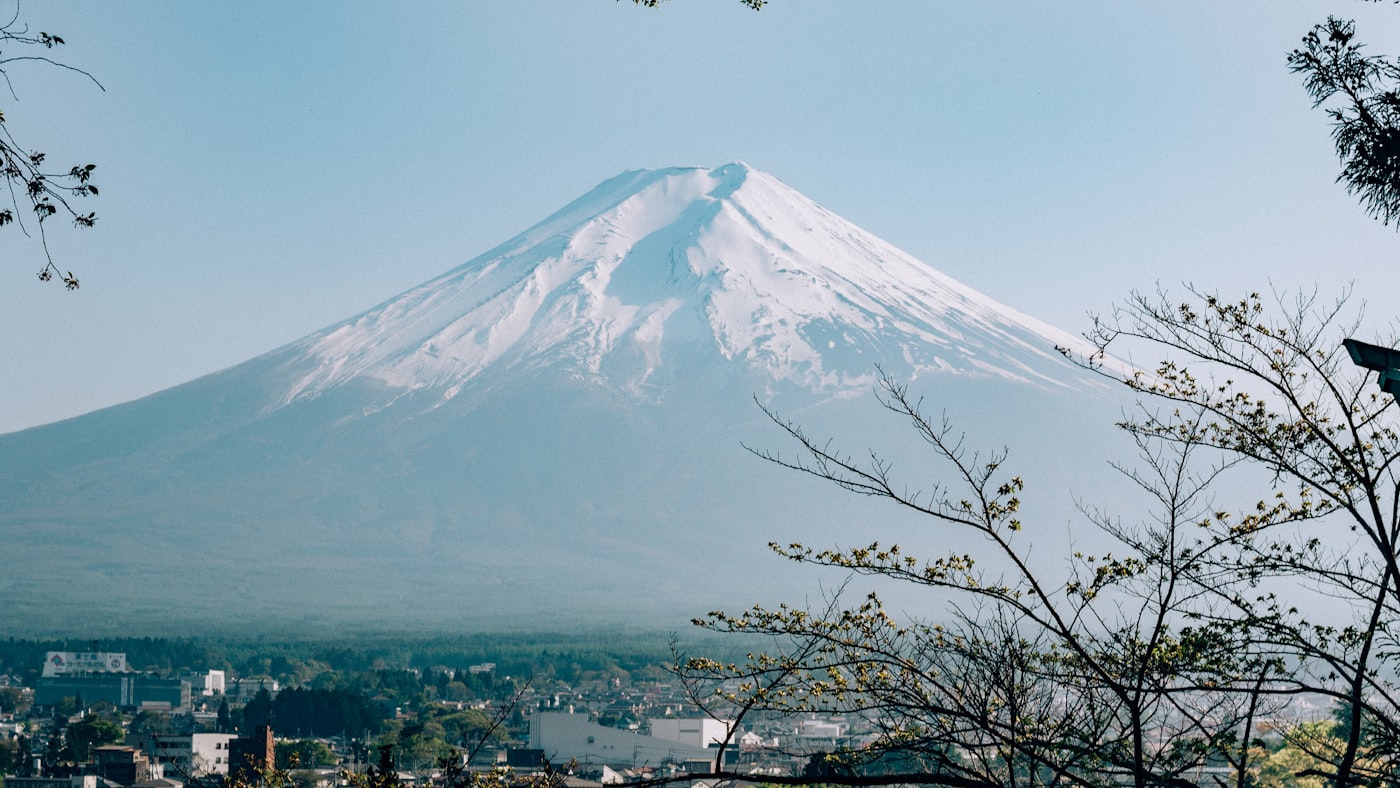
| Mountain or skyline is hidden | Whether the place still serves the secondary goal | Photograph atmosphere and connection, or activate the alternate visual brief. |
| Shoes or outfit limit movement | Distance, stairs, heat, wet ground | Reduce walking, use a change of shoes between frames, or simplify locations. |
Set one person responsible for each external confirmation: location rules, transport, weather, and provider terms. The couple should still make the creative tradeoff, but they should not have to search five websites while dressed for the shoot.
A practical planning example
Consider a hypothetical couple with one day in Kyoto. Their first priority is elegant portraits with seasonal greenery; their second is a few frames that clearly feel like Kyoto. Their original route has three stops across the city.
One week before the shoot, the forecast is unsettled. They do not immediately replace the plan. Instead, they compare two routes within the same area:
| Route | What it protects | What it gives up |
|---|---|---|
| Main route | More background variety and the preferred open-air scene | More walking and more exposure to rain and crowd delays |
| Nearby backup route | Shorter transfers, confirmed covered pauses, and more time for portraits | Fewer landmarks and less background variety |
Two days before, the forecast still suggests showers and the precipitation confidence is stronger. The couple confirms the applicable location conditions and chooses the backup route. On the morning, travel remains safe and the locations are available, so they proceed with that route. If either safety or permission had changed, continuing would have depended on another confirmed option; a backup is never automatic access.
They also keep one creative switch: if the rain is light, they use reflections and close portraits for a short outdoor section; if conditions are uncomfortable, they spend that time in the covered portion. The essential result—unhurried portraits together—stays protected even though the original three-stop plan changes.
Questions to settle before you commit

These questions turn a vague Plan B into an agreement:
- Which outcome is our first priority, and which is second?
- Which location is confirmed, and who manages it?
- What counts as still photography and what counts as video at that location?
- What is the latest time we can change the route without losing the main photo block?
- Who checks official weather and transport information?
- What costs or availability can change if the date, time, or place changes?
- Does the alternative have its own permission, hours, travel time, and crowd constraints?
- What will we remove first if we are 20, 40, or 60 minutes late?
- What clothing or footwear change makes the plan safer and easier?
Record the answers in one shared page or message thread. Include exact map pins rather than only location names. Keep contact details and booking documents together in your own travel file so they are easy to find on the day.
Frequently asked questions
Should we cancel as soon as rain appears in the forecast?
How many locations should a pre-wedding day include?
Is an indoor backup always safer?
What if Mount Fuji is not visible?
Who decides to switch plans?
Make room for changes before the day arrives
A good shoot plan is not the one with the most locations. It is the one that still gives you a realistic way to make the photographs you care about most after one part changes. Decide what matters, verify each location, keep enough real photography time, and write down when you will make each decision.
To discuss a Japan pre-wedding plan with TAMAKI, send your preferred region, date, and a candidate map pin if you have one through the contact page. You can also review pricing and the gallery as you decide what kind of session fits your trip.