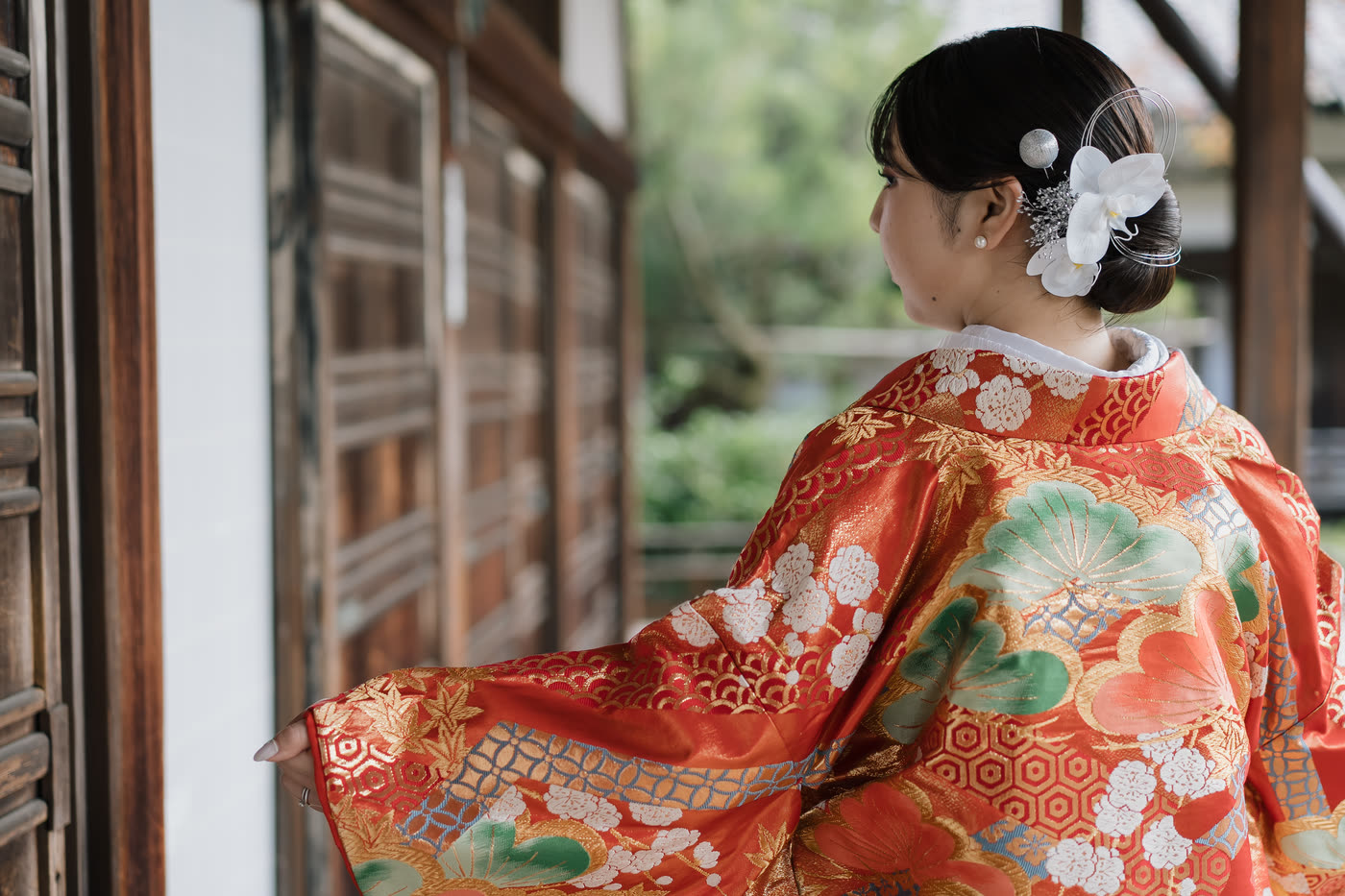
The Four Weeks Before Your Shoot: What Actually Matters
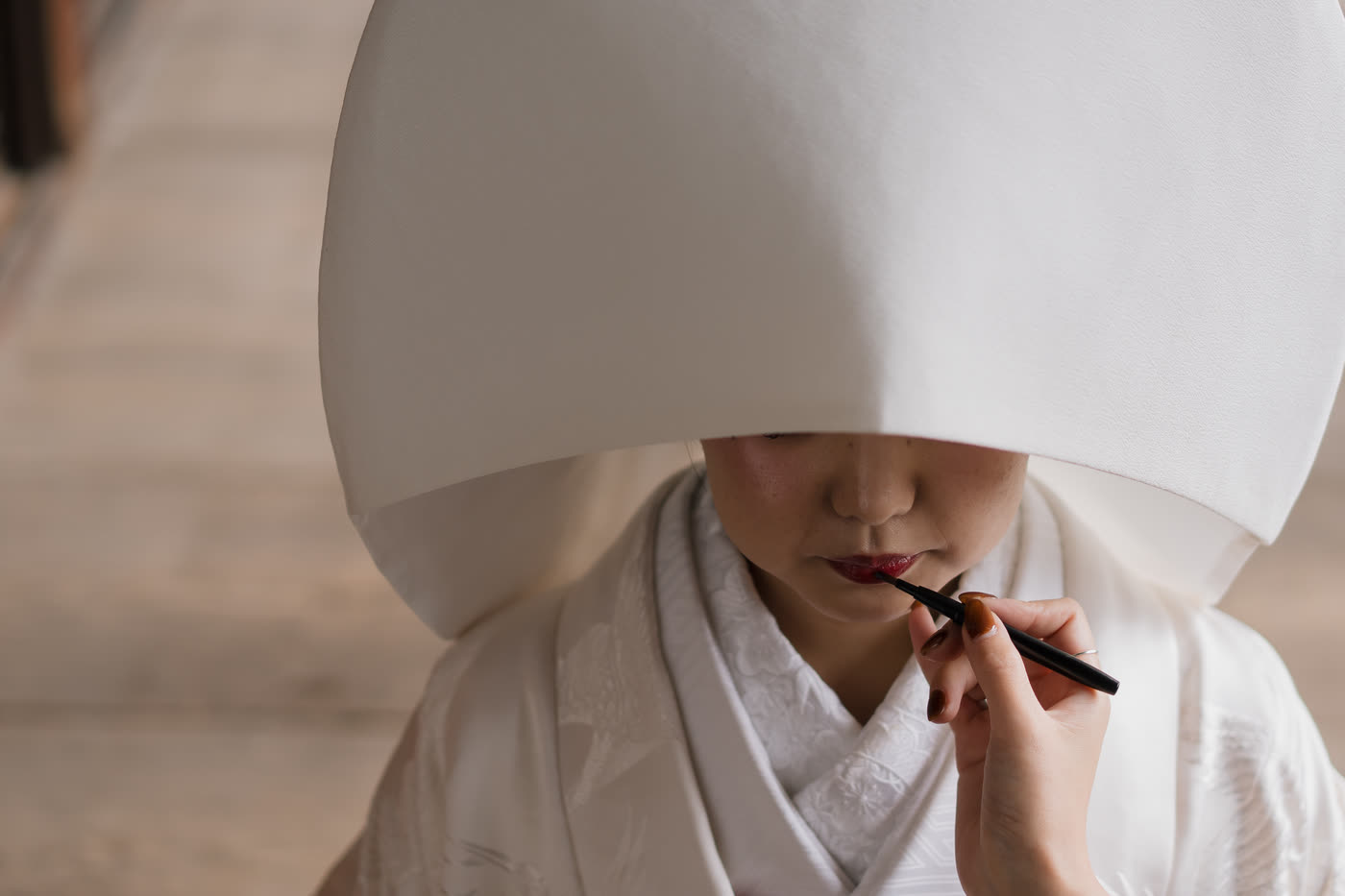
The short answer
Almost everything can be fixed on the morning. Two things cannot.
Hair, make-up, dressing, the order of the day — all of that is our job, and none of it needs preparing for. What we cannot fix on the day is skin that is peeling or newly sunburnt, and a tan line where the kimono or the gown opens. Both are decided three or four weeks earlier, by things that felt unrelated at the time. This page is the countdown we would give a friend.
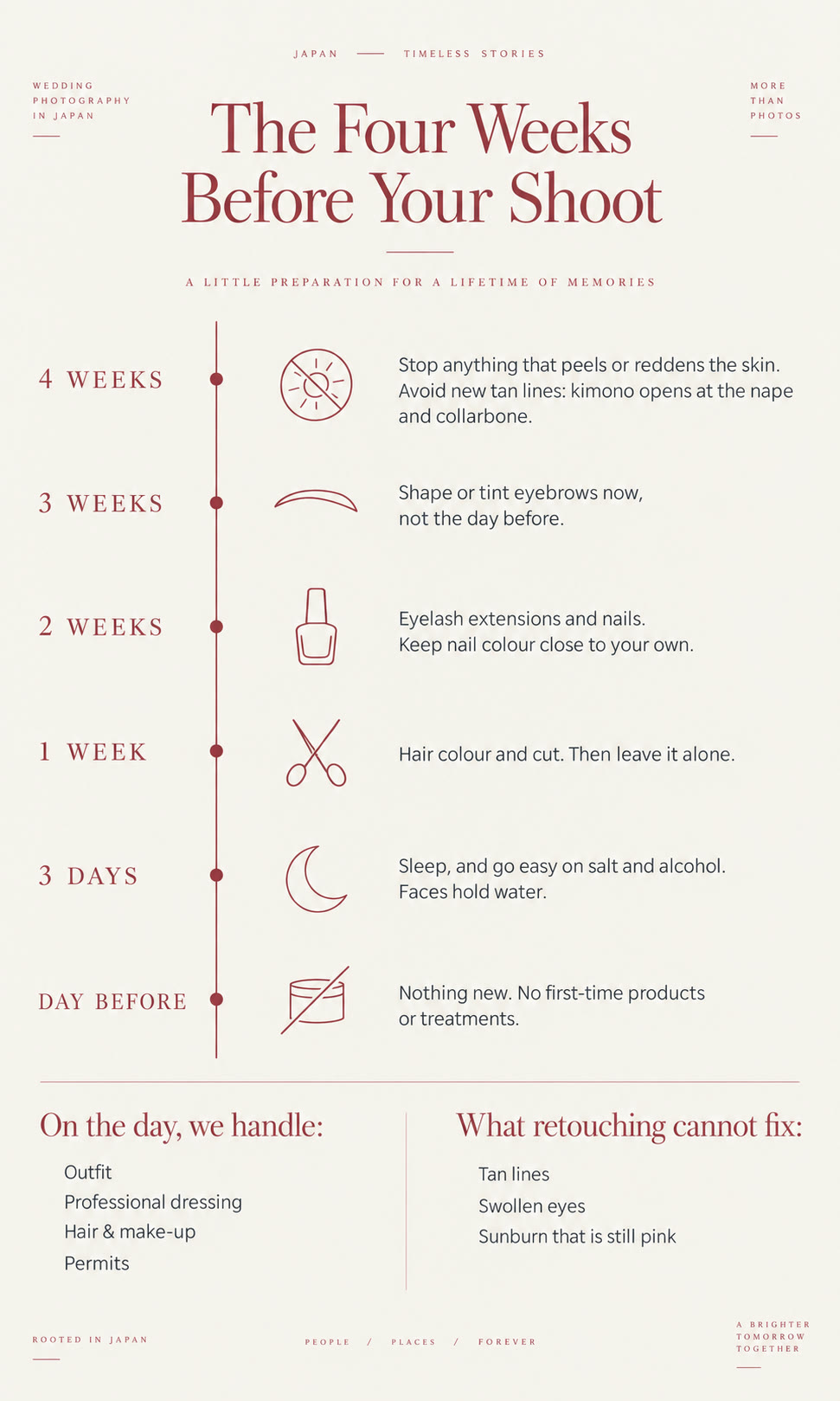
Four weeks out — stop anything that peels or reddens
This is the only deadline on this page that is genuinely hard. A treatment that leaves skin flaking or pink usually settles within a fortnight, but not always, and there is no second attempt at a shoot you flew in for. If you are considering a facial, a peel or any clinic procedure, four weeks of clearance is the comfortable margin. We are photographers rather than clinicians — ask whoever is doing it how long their treatment takes to settle, and count back from your shooting date rather than from your wedding.
The same window applies to sun. A tan is not a problem; a tan line is. Japanese wedding kimono opens at the nape and the collarbone, and a gown usually opens further. A strap mark from a beach holiday three weeks before will be in every photograph, and it is one of the few things retouching genuinely struggles with, because it is a shadow rather than a colour.
Three weeks out — eyebrows
If you have your eyebrows shaped or tinted, this is the week. Brows settle into their intended shape after a few days, and a tint looks its most natural once the first wash has taken the edge off it. The mistake we see is the opposite instinct — booking brows for the day before, arriving with them slightly red at the edges, and spending the first half hour of the shoot waiting for that to fade.
Two weeks out — lashes and nails
Eyelash extensions photograph beautifully and we have no objection to them at all. Two weeks gives them time to look like your own lashes rather than a new set. Nails are worth a thought too: hands appear far more often than couples expect — the ring, the fan, the sleeve, holding a wagasa parasol — and a shade that clashes with a red iro-uchikake is a small regret that lasts as long as the photographs do. Something close to your own nail colour is never wrong.
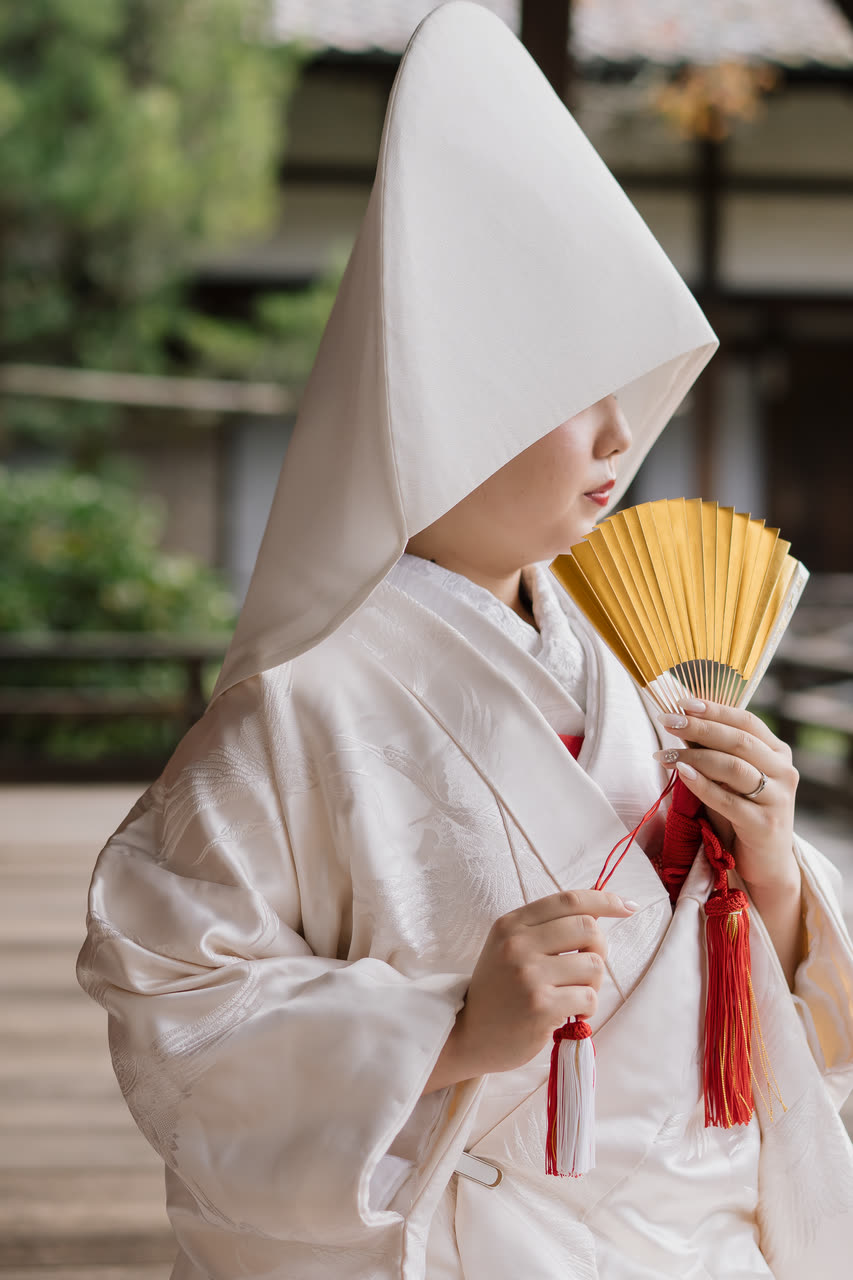
One week out — hair, and then leave it alone
Colour and cut belong to this week, not to the last two days. Fresh colour is at its most brassy for the first few days and settles afterwards; a cut needs a wash or two before it falls the way it will keep falling. Tell us if you are changing anything significant, because the hairstyle we plan for a shiromuku is built around the length you actually arrive with.
Three days out — the boring ones that work
Sleep and salt. Faces hold water, and the two reliable causes are a short night and a salty dinner — which, on a trip to Japan, is easy to arrange by accident. Ramen the night before a morning shoot is a genuine risk rather than a joke. Alcohol does the same thing. None of this is about discipline; it is simply that morning light is unforgiving in a way that evening light is not, and morning is when we shoot.
The day before — nothing new
No first-time products, no first-time facials, no first-time anything. Skin reacts to new things at its own pace and you will not know which way until you wake up. If you were planning one good decision for this day, make it an early night and a large glass of water.
The morning itself
Eat something. Dressing in kimono takes around forty minutes and is done standing; a full-day shoot is genuinely physical, and the first hour is when we take the frames you will print. Bring flat shoes for between locations — you will be in zōri or in heels for the photographs, but not for the walking in between. Beyond that, bring yourselves. Outfit, dressing, hair and make-up are ours to handle.
What retouching can and cannot do
Worth being plain about, because it decides which of the items above actually matter.
It can even out skin tone, soften a blemish, calm a stray hair, and remove a passer-by or a power line from the background. That is ordinary work and it is included in every package.
It cannot convincingly undo a tan line, eyes swollen from a late night, or a sunburn that is still pink. Those are shapes and shadows rather than colours, and the honest position is that we would rather you never needed it. Everything on this page is aimed at that.
Questions we are asked about preparing
Do we need to bring anything for hair and make-up?
Can we have a trial before the day?
I wear glasses. Is that a problem?
What if it rains?
How long does dressing actually take?
Should we lose weight before the shoot?
Know roughly when you are travelling?
Send us your travel window and which places you have in mind. We will tell you what the season is likely to be doing and confirm availability and the written total before any payment.