
Japan Pre-Wedding Photography Permits: What to Check Before Choosing a Location
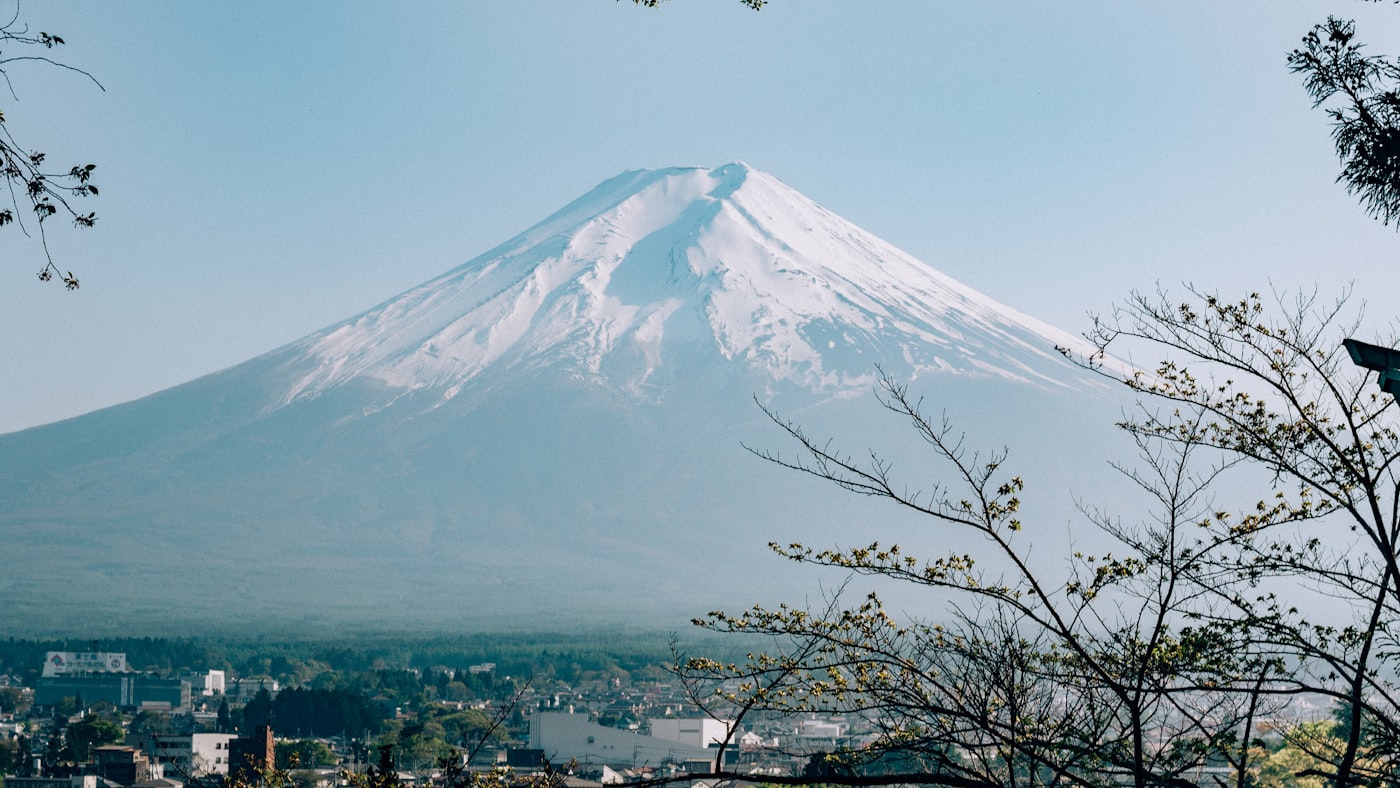
Whether you need permission depends on the exact spot, who manages it, how your team will use it, and whether the session counts as commercial photography. “It is open to the public” does not mean “a hired pre-wedding team may shoot there without approval.” Before choosing a location, identify the precise point on the map and confirm the current rules with the authority responsible for it.
This guide helps you decide whom to ask and what to send, even when management boundaries, dates, event restrictions, or the scale of a shoot change.
The four questions that determine what you need
Start with four facts. If any one of them is unclear, treat the location as unconfirmed.
| Question | Why it changes the answer | What to confirm |
|---|---|---|
| What is the exact point? | A garden, pavement, shrine approach, lakeshore, and adjacent park can have different managers even when they share the same place name. | Save a map pin and one or two reference photos. |
| Who manages that point? | Rules may come from a city, prefecture, national park, religious institution, road authority, private owner, or facility operator. | Find the official manager, not only a tourism page or social post. |
| What will the team do? | A private snapshot, a couple accompanied by a hired photographer, video recording, lighting, tripods, drones, or occupying an area can be treated differently. | Describe the team size, equipment, photo/video scope, and approximate duration. |
| When will it happen? | Opening hours, seasonal crowd controls, ceremonies, maintenance, and local events can alter access. | Confirm the date, time window, and any restricted areas. |
The word “commercial” can also be confusing. A couple may see the session as personal because the photographs are for their wedding.
A location manager may focus on the presence of a paid professional team, equipment, or organized production. When you ask, describe the activity plainly instead of assuming one label will settle the issue.
Tokyo: a famous name is not a permission category
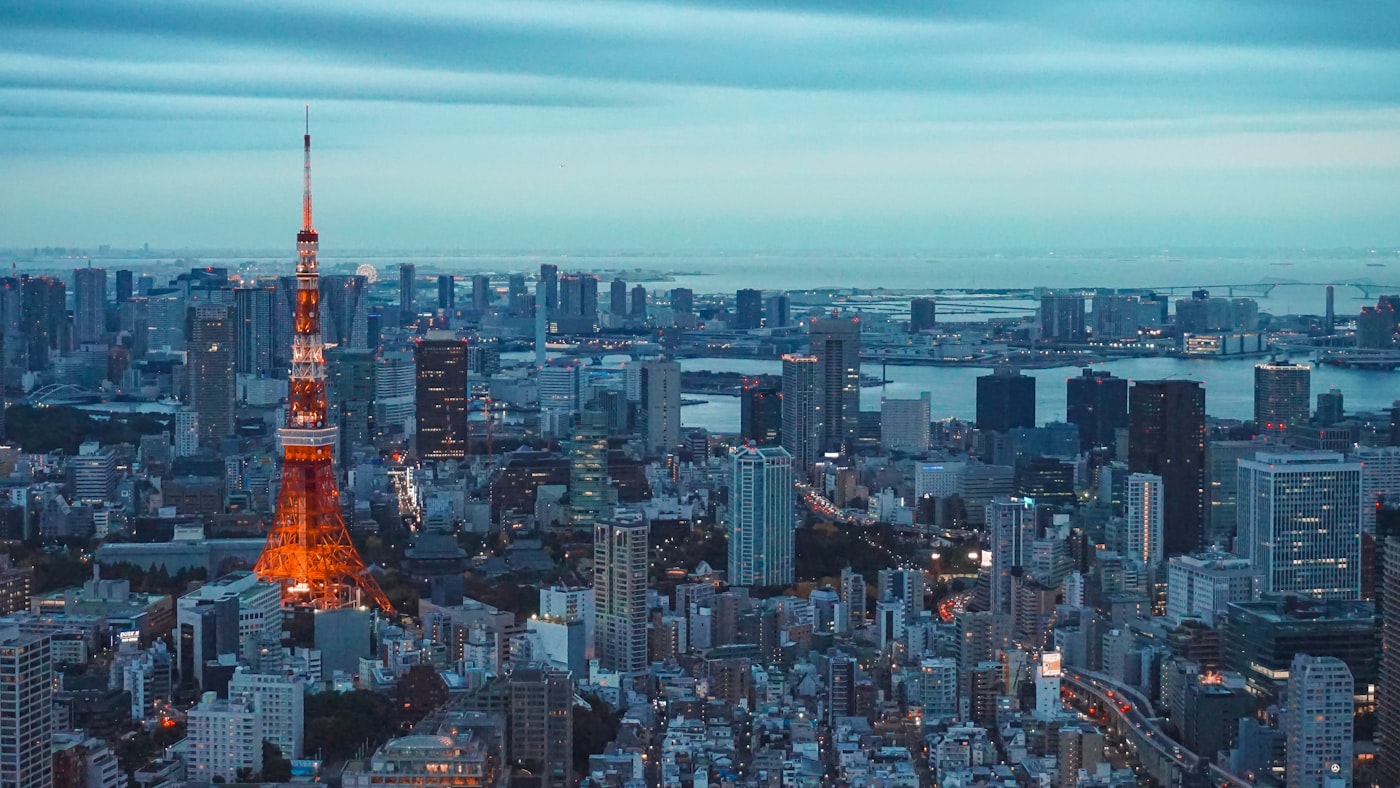
Tokyo locations can sit under very different rules. A metropolitan park, a ward-managed garden, a temple, a shrine, a station area, and a privately operated terrace should be checked separately.
Tokyo Metropolitan Park Association's official FAQ distinguishes ordinary personal snapshots from organized shoots such as bridal photography, model photography, and video productions, which require advance application and permission.
The specific park manager's conditions still apply.
Meiji Jingu is a useful example of why direct checking matters. Its official visitor guidance asks photographers to refrain from professionally requested commemorative photography within the shrine grounds.
That should not be presented as an ordinary “submit a form and receive permission” destination. Review the shrine's official worship and photography guidance before building a plan around it.
Its English etiquette page is also helpful for understanding conduct on the grounds.
Be careful with pages that look official but answer a different question. Sensō-ji's photography page concerns use and lending of images; it is not evidence that a portrait or pre-wedding session is approved.
For an organized session, seek direct confirmation from the relevant manager rather than inferring permission from an image-use page.
For any Tokyo option, send the manager the pin, date, duration, number of people, equipment list, and whether you will capture stills, video, or both. Ask whether a hired pre-wedding photographer changes the procedure and whether there are areas where stopping, posing, or setting equipment is restricted.
Kyoto: identify the park before relying on the park process

Kyoto's historic streets, gardens, temple precincts, and urban parks do not share one citywide photography rule. The official Kyoto tourism support FAQ states that photography or video work in city-managed urban parks requires prior consultation and an application.
For locations handled by the covered municipal offices, it currently lists JPY 4,600 per hour for still photography and JPY 9,400 per hour for video, with online applications submitted at least two weeks ahead.
Its online route excludes five separately managed major parks. Read the current official FAQ for city-managed urban parks and confirm that your exact park is covered by that process.
These are administrative location charges, separate from photographer services and travel.
The practical lesson is to avoid asking only, “Can we shoot in Kyoto?” Instead ask:
- Is the pin inside a city-managed urban park, a road, a temple or shrine precinct, or private property?
- Does the session include only still photographs, or also video?
- Is advance consultation required before the application?
- Is the chosen park handled through the standard route or by a separate manager?
Kyoto's popular areas also require a crowd plan even when the administrative path is clear. A permit, where issued, does not create exclusive space or guarantee that a narrow lane will be empty.
Choose poses and movement that do not block residents, worshippers, businesses, or other visitors.
Fuji area: the lakeside is a patchwork, not one location
“Fuji” can mean a town-managed park, a lakeshore, a road, a river area, private land, or land within a national park. These boundaries matter.
Fujikawaguchiko Town provides a dedicated process for professional photography and filming in the urban parks it manages. Use the town's official urban-park photography information to confirm the current scope, conditions, and charges directly.
A rule for a covered town park is not a rule for every Fuji viewpoint.
Other shore areas around Lakes Sai, Shōji, and Motosu may involve different processes depending on whether the pin falls under a lakeshore, river, national-park, or other jurisdiction. Fujikawaguchiko Town provides a separate jurisdiction guide.
Use the exact pin to find the right authority; do not treat a rule for one town-managed park as a rule for the entire lake or Fuji region.
Okinawa: “beach” does not identify the manager

An Okinawa beach may be managed by a municipality, a resort, a park operator, a port-related authority, or another body. Public access alone does not tell you whether an organized session needs coordination.
The Okinawa Film Office FAQ explains that the office can provide guidance and coordination information, but it does not submit applications on behalf of a production. Its 2026 location guidelines direct teams to consult the municipality, tourism body, or relevant manager, obtain permission where required, and share the conditions with everyone involved.
For Okinawa, ask who manages the exact beach access, sand area, nearby greenery, parking area, and any resort frontage you plan to use. Also ask about tripods, changing arrangements, vehicles, video, and weather-related date changes.
Do not assume that permission for one section of coast covers the next section.
A practical planning example
Imagine a couple who has chosen Kyoto and is comparing two locations within the same area. This is an illustrative scenario, not a report of a past client.
They first save an exact pin for the preferred park and another for a nearby fallback. The first is confirmed as a city-managed urban park, so they check the applicable route, still-photo scope, fee, and lead time.
They independently verify the manager and photography conditions for the fallback before paying for non-changeable transport.
They then build two versions of the day:
| Plan | Decision rule | Result |
|---|---|---|
| Preferred location | Use only after written confirmation of the manager, permitted activity, date, and conditions. | The creative plan can match the actual restrictions. |
| Nearby fallback | Choose a separately verified location with simpler access and useful shelter. | It may allow the session to continue if it remains available, permitted, and safe. |
Their budget has separate lines for photographer service, transport, and any administrative location fee. Their schedule also separates still photography from optional video because the procedure or fee may differ.
This small amount of structure prevents a vague location name from turning into a last-minute surprise.
What to send when asking for confirmation
A concise inquiry is easier for a manager to answer. Include:
- exact map pin and reference image;
- preferred date, arrival time, and duration;
- number of people, including the couple and crew;
- hired photographer or video team involvement;
- camera, tripod, lighting, audio, drone, or other equipment;
- whether you need still photographs, video, or both;
- changing, vehicle, or temporary staging needs;
- intended use of the images;
- one alternative date or location if relevant.
Ask for the reply in writing when possible, and keep any permit or conditions accessible on the day. Reconfirm if your date, team size, equipment, or deliverables change.
Frequently asked questions
If anyone can enter the location, can a pre-wedding team shoot there?
Does a photography permit also cover video?
Is the photographer responsible for every application?
How early should we check?
Does approval guarantee an empty background?
Choose a location only after the rule is clear
A strong Japan pre-wedding plan begins with a pin, a manager, and a written answer. Once those are clear, you can compare the visual result, travel time, weather exposure, and cost without relying on guesswork.
If you would like to discuss a location plan with TAMAKI, contact us with your preferred area, date, and a candidate map pin if you have one. You can also review pricing and the gallery before deciding which kind of session fits your trip.
