Mt. Fuji Pre-Wedding: 5 Views Worth Planning Around
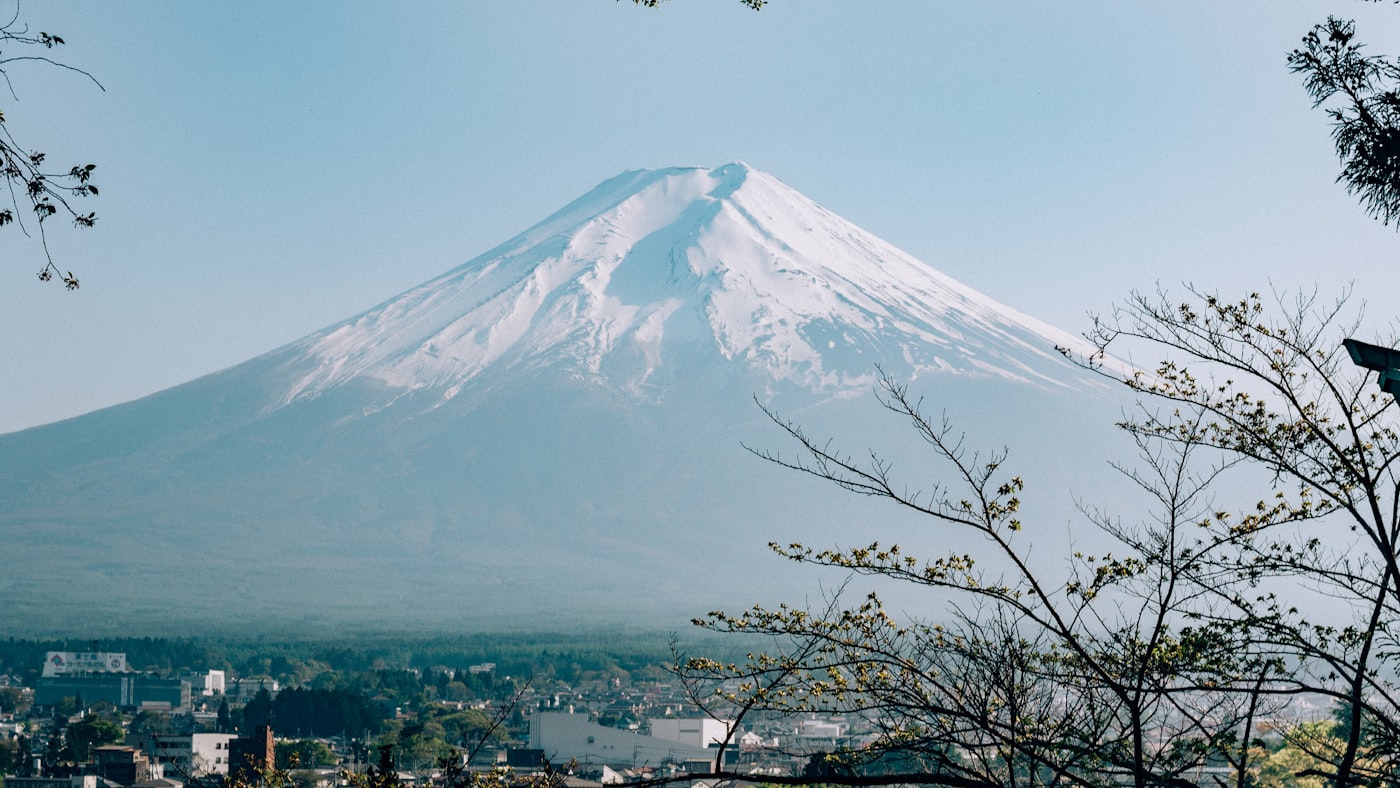
No location in Japan is requested more than Mt. Fuji — and no location depends more on planning. Here are the five settings we build Fuji shoots around, and the timing truths that make or break them.
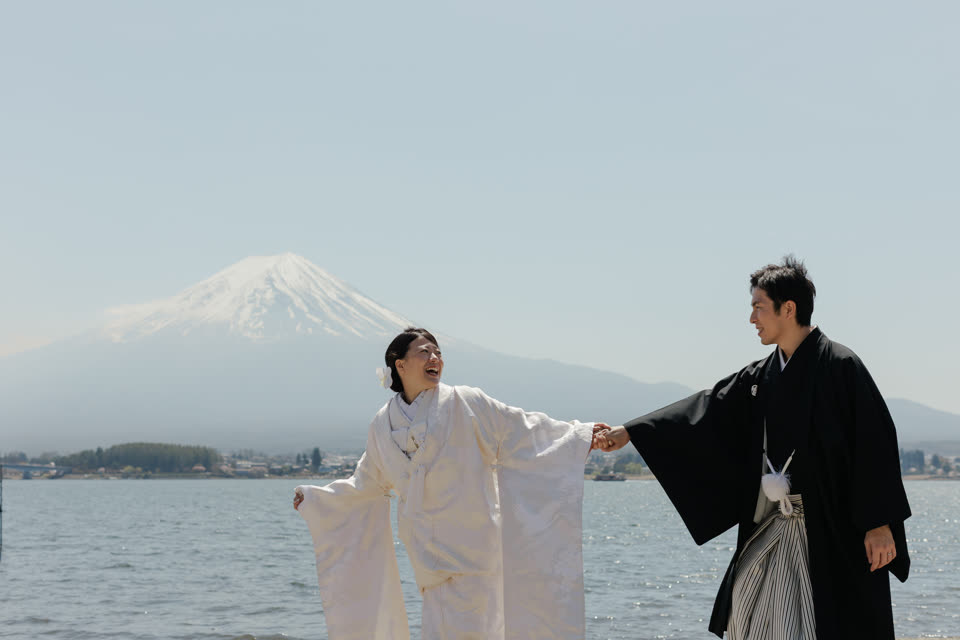
1. The northern lakeshores
Open water, wide sky, and on still mornings a mirror reflection of the mountain. The classic wide frame where the two of you stand small against something enormous.
2. The pagoda viewpoint
The five-story pagoda with Fuji floating behind it may be the single most recognised view of Japan. It earns its fame — and its crowds. We shoot it early, on weekdays, in the quiet hours.
3. Highland meadows
Rolling grassland at the mountain's foot: no crowds, no buildings, just weather and light. In autumn the grasses turn gold; in winter the air is glass-clear.
4. Forest roads
Straight cedar-lined lanes pointing at the summit — graphic, cinematic frames that photograph beautifully in any season.
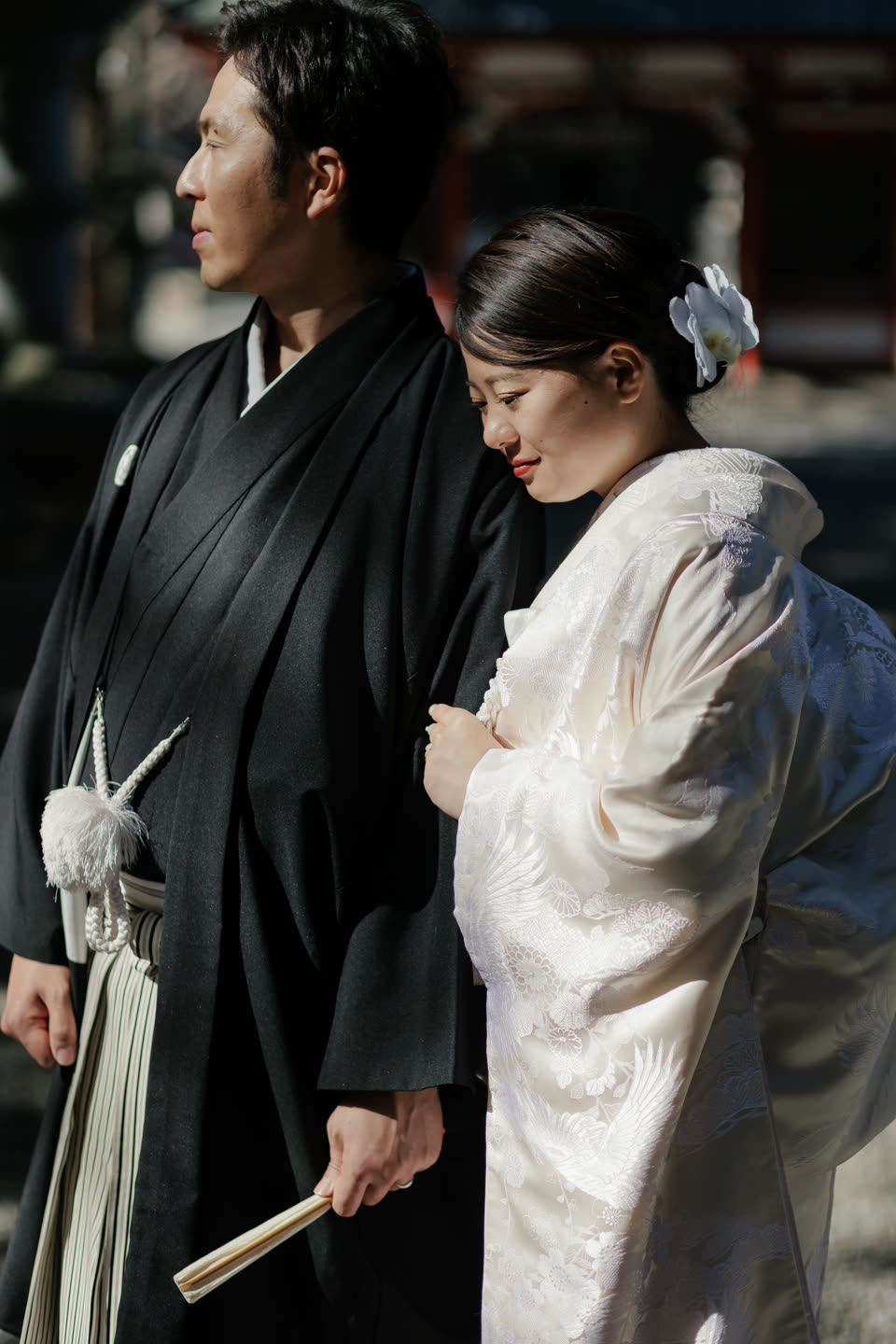
5. Village lanes and small shrines
The Fuji area keeps its old villages: thatched roofs, torii gates, persimmon trees. These give a Fuji day its intimate, human-scale counterpoint.
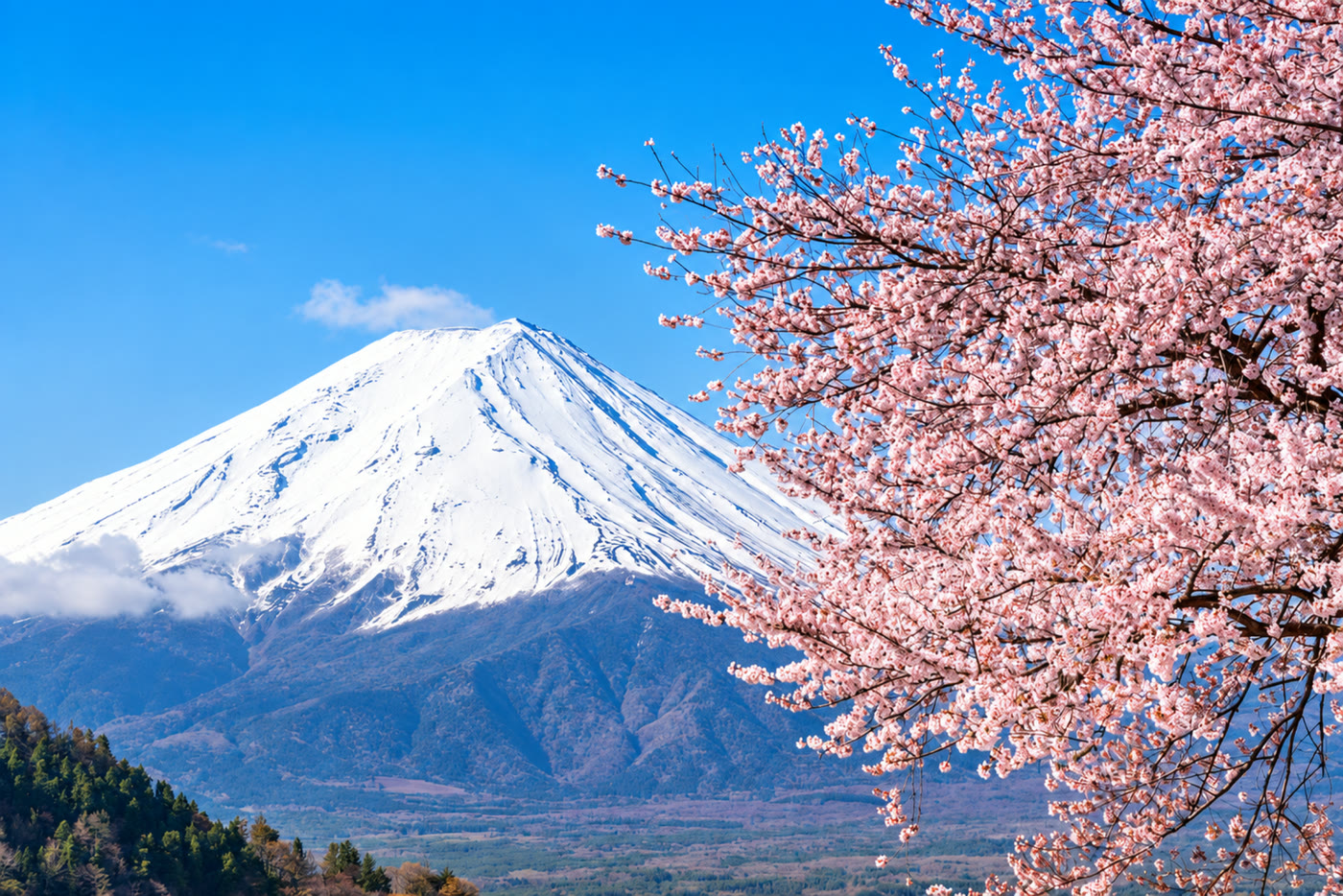
The honest part: will you see the mountain?
Fuji hides. Summer haze can conceal it for days; cloud can swallow it by mid-morning any time of year. Two rules improve your odds dramatically: go early (the first hours after sunrise are clearest) and favour the cold months — November to February offer the most reliable visibility of the year.
We schedule Fuji shoots accordingly, in the hours when the mountain is most likely to show itself. See the Mt. Fuji location page for how a shoot day runs, or send us your dates.
Beyond the shoot
Planning the rest of your Fuji trip?
The mountain is clearest in the first hours after sunrise, so staying by the lake the night before is almost always worth it. Over chat, we recommend hotels and restaurants by area and by the kind of food you love, and help you plan routes and timing around your shoot. On the day, an interpreter who speaks English, Mandarin or Cantonese can stay by your side, included in the price.