
From Singapore to Japan: Planning a Pre-Wedding Shoot in Blossom Season
The short answer
The hard part is the calendar, not the photography.
Couples writing to us from Singapore tend to want the same three things: cherry blossom, one look in kimono and one in a gown, all inside a week of leave. Every part of that is possible. What makes it awkward is the sequence. Japan’s bloom forecasts for spring 2027 will not appear until the new year, while flights, leave and the better shooting mornings are decided long before that. This page is about how to plan the trip anyway — what to fix early, what to deliberately leave loose, and in what order.
Why waiting for the forecast does not work
Japan’s cherry blossom forecasts are a January-onwards affair, then refined every week or two through February and March. A couple who waits for the first one is making their decision in the same month as everybody else, about the single busiest fortnight in the Japanese year. By then the choice is not which morning is best; it is what is left.
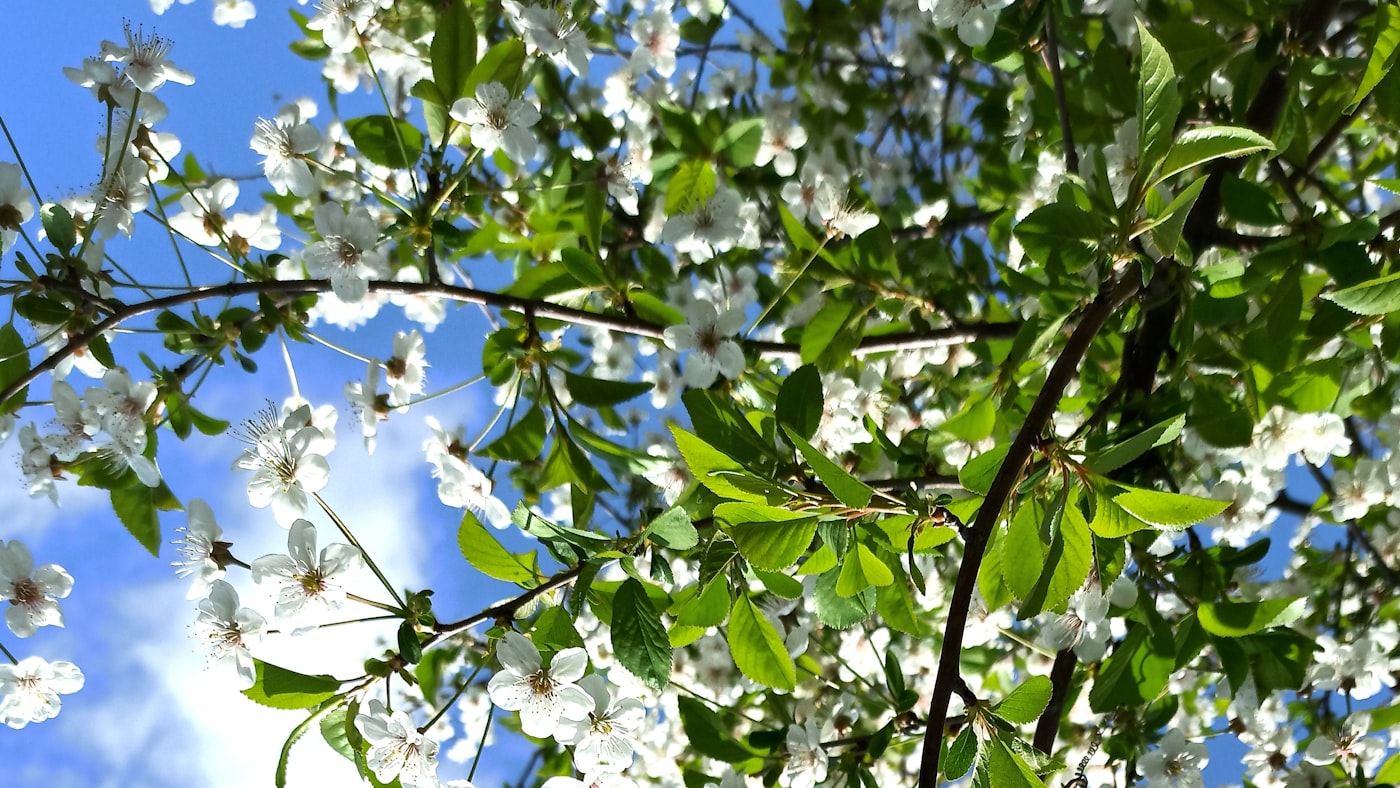
The way through is not to guess the date more cleverly. It is to make the target wider. Blossom in Japan is not one event on one day — it is a wave that moves north across the country and climbs slowly uphill. The same week can be a few days late in one place and several days early ninety minutes away. If your trip contains more than one kind of place, it almost certainly contains blossom somewhere.
The clearest example is the one we use most. Tokyo’s cherry trees usually reach full bloom in the last days of March or the first days of April. Lake Kawaguchi, at the foot of Mt. Fuji, sits far higher and colder, and opens roughly a week to ten days later. Our own Mt. Fuji photographs were taken on 12 April with the trees in full bloom. So a trip that reads “too late for Tokyo” can be precisely on time for the one frame you cannot take anywhere else — snow on the summit, pink below it.
What one week of leave actually allows
Singapore has an advantage here that European couples do not. The flight is around seven hours and the time difference is one hour, so there is no jet lag to write off. A Monday-to-Sunday trip really is seven usable days, and you can photograph on the second morning without looking tired.
The constraint is distance rather than time. Tokyo to Kyoto is about two and a quarter hours by shinkansen. Tokyo to the Fuji lakes is about two hours by road. Neither is difficult, but each one eats a morning, and photographs happen at first light.
In practice, a week comfortably holds two shoots in two different places, and that is what we recommend to most couples travelling this distance. Three is possible and we have planned it, but it turns a holiday into a schedule. The usual shape is one kimono morning and one gown morning, in two settings that do not look like each other.
Two ways to arrange this, and what actually differs
Couples in Singapore generally choose between booking through a bridal studio at home that runs overseas shoots, or booking directly with a team based in Japan. Both are legitimate. The honest difference is not quality — it is where the local knowledge sits and which risk you would rather carry.
A studio at home gives you one contract in your own time zone, gowns fitted before you fly, and a single invoice. The trade is that the team on the ground is often assembled for the trip, and the decisions that matter most for a spring shoot — which side of the lake, which hour, which permit, whether to move the morning by two days when the forecast shifts — are made further from the people who stand in those places all year.
Booking a team in Japan directly reverses that. You plan in writing across a time zone, which is slower at the start, and your outfit is fitted after you arrive rather than before. In exchange, the person choosing the location and the hour is the person who shoots there in every season and knows what the ground looks like in the second week of April.
Ask both the same question and compare the answers: if the blossom opens five days early, what happens to our booking? The reply tells you more than any gallery.
Coming from thirty degrees to a Japanese April
This catches almost everyone. Singapore sits in a narrow band around the high twenties and low thirties every month of the year. Tokyo in early April is typically somewhere between ten and eighteen degrees, and a morning beside Lake Kawaguchi is colder still because of the altitude. First light in April at the Fuji lakes can be close to single figures.
Three practical consequences. Kimono is considerably warmer than it looks, so the kimono morning is rarely the problem. A gown at dawn beside a lake is genuinely cold, so we work in shorter bursts and keep a coat moving with you between frames. And the temperature swing across a single day is wide by Singaporean standards — a morning that starts at nine degrees can reach nineteen by early afternoon. Bring a layer you can take off rather than one thick one.
The fortnight worth avoiding
Golden Week is a run of Japanese public holidays from around 29 April into the first days of May. Domestic travel peaks, trains and hotels fill, and the places that photograph best are at their most crowded. If your leave has any flexibility at all, the weeks before it are better for photographs and easier to book. This matters more for a spring trip than most people expect, because the tail of the blossom season and the start of Golden Week sit very close together.
What to book first — and why it is the shoot
The instinct is to book flights, then a hotel, then everything else. For a spring pre-wedding trip we would reverse the first and the last, for a reason that is purely about supply.
Flights and hotels have inventory. If one is full, another exists at a different price. A particular photography team on a particular April morning has no such substitute — there is one of them and one of that morning. Cherry blossom and autumn dates are the two windows we see fill four to six months ahead, and they are short.
What makes booking first reasonable rather than reckless is the terms, so they are worth stating plainly here. Full payment in Japanese yen confirms the date, and you see and confirm the terms in writing before anything is charged. If you cancel, we refund 90% of what you paid — whatever the reason, whenever you tell us. If you would rather not lose the remainder, we hold 100% of it as a credit valid until the same season the following year. Booking early buys the date; it does not buy a lower price, because our prices do not move with the season.
Where to stay — and what we will not do for you
We are not a travel agency. We do not book your flights or your hotel, and we do not take a commission on them — your travel stays in your hands, which also keeps it flexible when a shooting morning moves. What we will happily do, at no charge, is tell you which areas make a shoot morning easier, and which put you near somewhere good to eat afterwards.
Two examples of the kind of advice we mean. For a Kyoto kimono morning, staying within reach of the centre rather than out towards the hills saves you a taxi at six in the morning and puts dinner within walking distance. For a Fuji morning, staying by the lake the night before rather than travelling out from Tokyo at dawn is almost always worth it, because the mountain’s best hour is the one right after sunrise and you cannot drive into it.
Ask us when you have a shortlist. We will tell you which one we would choose and why, and we have no stake in the answer.
What the price covers
Our Photo Collection is ¥260,000 including Japanese tax. That is a half day of about three to four hours at one location, one outfit — kimono or gown — professional dressing, hair and make-up, the location permit, and 50 retouched photographs delivered in an online gallery. Retouched photographs arrive three to four weeks after the shoot.
Tokyo, Kyoto, the Mt. Fuji area and Okinawa are all the same price. There is no location surcharge and no seasonal surcharge, including in cherry blossom season. If you want two nearby settings inside the same half day, that is an addition of ¥50,000. A second shoot in a different city on a different day is a second shoot, and we will put the full total in writing before anything is charged. The packages and prices page lists every plan, and our questions page covers the terms in more detail.
Questions we are asked from Singapore
Do Singapore passport holders need a visa for Japan?
When should we book if we want cherry blossom in 2027?
Can you guarantee the blossom will be open on our date?
Can we do one kimono shoot and one gown shoot?
Do you speak English on the shoot day itself?
Is Okinawa worth adding to a spring trip?
Know roughly when you are travelling?
Send us your travel window and which two places you have in mind. We will tell you honestly what the blossom is likely to be doing, and confirm availability and the written total before any payment.